


AWKA, Anambra State — August 16, 2026 —
The Tropical Gate Foundation for Sustainable Development has raised strong opposition to the proposed Non-Governmental Organisation (NGO) Regulation Bill before the National Assembly, warning that increased government control over civil society organisations could undermine grassroots development, humanitarian response and civic participation across Nigeria.
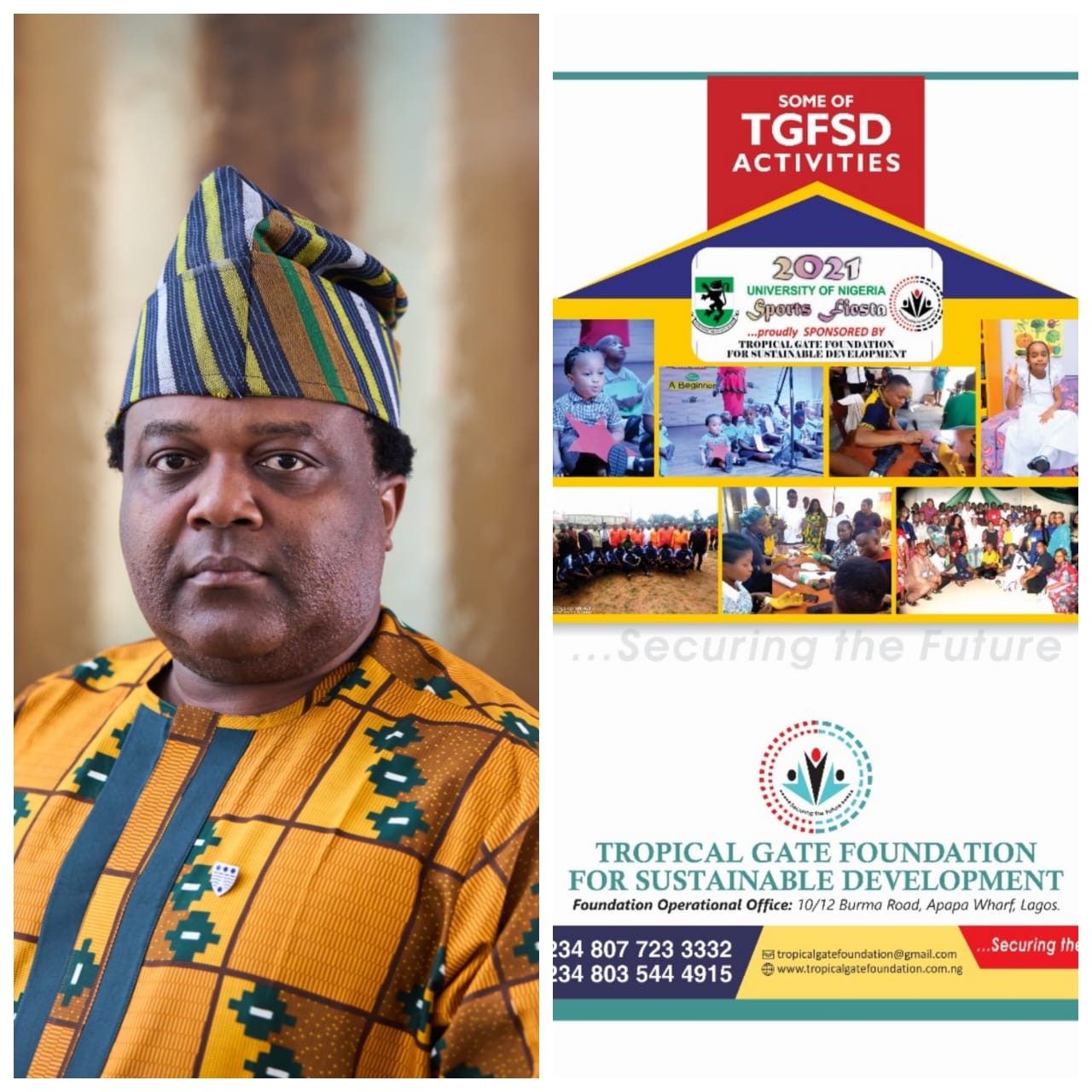
The Foundation, in a statement issued from its administrative headquarters in Awka, in a press statement made available by Dr Nnamdi Mbaigbo, the Chief Executive officer said it supports transparency and accountability in the non-profit sector but believes the proposed regulatory framework could create excessive bureaucratic barriers for organisations providing essential services to vulnerable communities.
Founder of the Foundation, Apostle Nnamdi Mbaigbo (FIMC, CMC, FICM, FIADRN, DFAI), said Nigeria already has regulatory mechanisms governing non-profit organisations and questioned the need for an additional layer of government control.
“Nigeria does not lack non-profit regulation. Legitimate foundations like ours already operate within existing legal and financial compliance frameworks,” Mbaigbo said.”
According to him, requiring NGOs to obtain additional approvals or licences before carrying out their programmes could slow down interventions in communities where urgent assistance is required.
The Foundation cited medical outreaches, clean-water initiatives, educational support, youth development and emergency humanitarian interventions among activities that could be affected if regulatory requirements become excessively centralised.
Foundation raises three major concerns
The organisation identified three areas of concern arising from what it described as the proposed bill’s potentially restrictive provisions.
1. Delays to humanitarian interventions
The Foundation warned that additional approval requirements could slow the delivery of emergency assistance and community-based projects, particularly in underserved areas where organisations often need to respond quickly to local needs.
2. Potential impact on development funding
The Foundation also expressed concern that a more restrictive regulatory environment could discourage international philanthropic organisations and development partners from supporting projects implemented by Nigerian NGOs.
It argued that uncertainty around licensing and operational approvals could ultimately reduce the flow of development resources reaching communities.
3. Pressure on grassroots organisations
The Foundation further raised concerns about the possible implications of broad regulatory definitions for community-based organisations, town unions, youth groups, cooperatives and informal community support structures.
It said such groups are important components of Nigeria’s grassroots social and economic support systems and should not inadvertently become subject to regulatory requirements designed for larger formal organisations.
The Foundation’s position comes amid renewed debate over NGO regulation in Nigeria. Civil society organisations have previously raised concerns that additional licensing and regulatory powers could restrict civic space, while proponents of regulation have argued for greater accountability and oversight of the sector.
Appeal to Anambra lawmakers
The Tropical Gate Foundation called on Senator Emma Nwachukwu, representing Anambra South Senatorial District, and Hon. Dominic Ifeanyi Okafor, representing Aguata Federal Constituency, to scrutinise the proposed legislation carefully and protect the interests of constituents who depend on community-based development and humanitarian initiatives.
“Our representatives in Abuja must remember that they represent the people and the interests of the communities they serve,” Mbaigbo said. “We urge them to support sustainable partnerships between government, civil society and development organisations rather than measures that could unnecessarily restrict the ability of legitimate organisations to serve vulnerable Nigerians.”
The Foundation said it is not opposed to accountability, financial transparency or appropriate oversight of NGOs. Rather, it is calling for a regulatory framework that strengthens public confidence without compromising the independence and operational effectiveness of civil society organisations.
“We support accountability and responsible governance, but regulation should strengthen the capacity of civil society to contribute to national development, not create barriers that prevent organisations from reaching the people who need assistance most.”
The Tropical Gate Foundation for Sustainable Development said it would continue to engage with civil society organisations, lawmakers and other stakeholders through lawful and democratic channels to advocate for what it described as a balanced approach to NGO regulation that protects accountability while preserving Nigeria’s constitutional freedoms of association and civic participation.