

By Uchenna Ezeadigwe
Awka
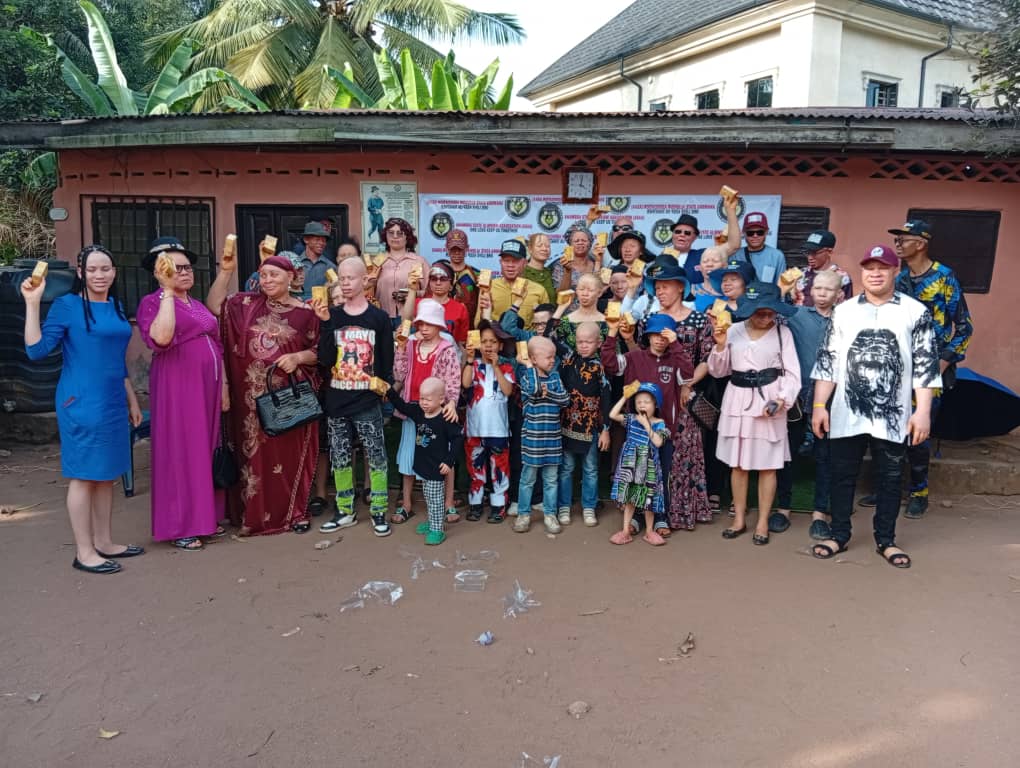
As the world commemorates the 2026 International Albinism Awareness Day (IAAD), the Anambra State Albinism Association has called for increased attention to proper skin care among persons with albinism to promote healthier living and prevent skin-related complications.
The Chairman of the Association, Comrade Israel Ben Orizu, made the call in a press statement issued to journalists on June 13, 2026, as part of activities marking this year’s celebration themed, “Proudly in My Skin: Celebrating All Skin Tones.”
According to Orizu, the theme underscores the need for society to accord equal respect, protection and opportunities to all individuals, irrespective of their skin colour or genetic condition.
He said: “This year’s theme, ‘Proudly in My Skin: Celebrating All Skin Tones,’ reminds us that every human being deserves equal respect, protection and opportunities regardless of skin colour or genetic condition. Persons with albinism are valuable members of society whose contributions continue to enrich our communities despite the challenges they face.”
The association, however, expressed concern over the rising health challenges confronting persons with albinism in Anambra State.
“In Anambra State, this year’s celebration comes with deep concern and a renewed call for urgent action. The Albinism Association is currently managing 16 active cases of skin cancer among our members, a heartbreaking reality that reflects the severe health challenges faced by persons with albinism due to prolonged exposure to harmful ultraviolet radiation and limited access to preventive healthcare services,” Orizu stated.
He noted that the affected individuals require urgent medical attention and sustained support.
“These 16 cases are not just statistics; they are fathers, mothers, sons, daughters, community leaders, workers and students whose lives are under threat. Many of these individuals require urgent medical intervention, regular dermatological care, surgery, medication and enrollment into comprehensive health insurance schemes to improve their chances of survival,” he added.
Describing skin cancer as one of the leading causes of preventable illness and death among persons with albinism in Nigeria, the association lamented that many patients cannot afford the high cost of treatment and specialised medical care.
“This situation demands immediate attention from government, healthcare institutions, corporate organisations, donor agencies, philanthropists and public-spirited individuals,” the statement read.
The association therefore called on the Federal Government and the Anambra State Government to strengthen policies and programmes aimed at protecting the health and welfare of persons with albinism.
It also urged the National Health Insurance Authority (NHIA) and other relevant stakeholders to facilitate the urgent enrollment of vulnerable persons with albinism, particularly those battling skin cancer, into health insurance schemes.
Healthcare providers and medical institutions were encouraged to expand access to skin cancer screening, treatment, dermatological consultations and other preventive services.
Similarly, corporate organisations, development partners and philanthropists were called upon to support initiatives focused on funding treatment, providing sunscreen, protective clothing and other life-saving interventions.
The association further appealed to the general public to support awareness campaigns on skin cancer prevention and help eliminate discrimination, stigma and social exclusion against persons with albinism.
Orizu disclosed that the association had redirected a significant portion of its limited resources towards health interventions this year.
“As an association, we have deliberately redirected much of our limited resources this year towards health interventions, particularly skin cancer prevention and treatment, because we believe that saving lives must remain our highest priority,” he said.
While acknowledging the resilience and achievements of persons with albinism, he stressed the importance of addressing the health crisis affecting the community.
“While we celebrate the achievements and resilience of persons with albinism, we must not ignore the urgent health crisis confronting our community. Every delay in treatment places another life at risk,” he warned.
On the occasion of the 2026 International Albinism Awareness Day, the association reaffirmed its commitment to advocacy, inclusion, improved healthcare access, education, empowerment and the protection of the rights of persons with albinism in Anambra State.
It appealed to all stakeholders to collaborate in ensuring that no person with albinism loses their life to preventable skin cancer due to poverty, neglect or lack of access to healthcare.
“Together, let us build a society where every person with albinism can live with dignity, safety, good health and equal opportunity,” the statement concluded.