

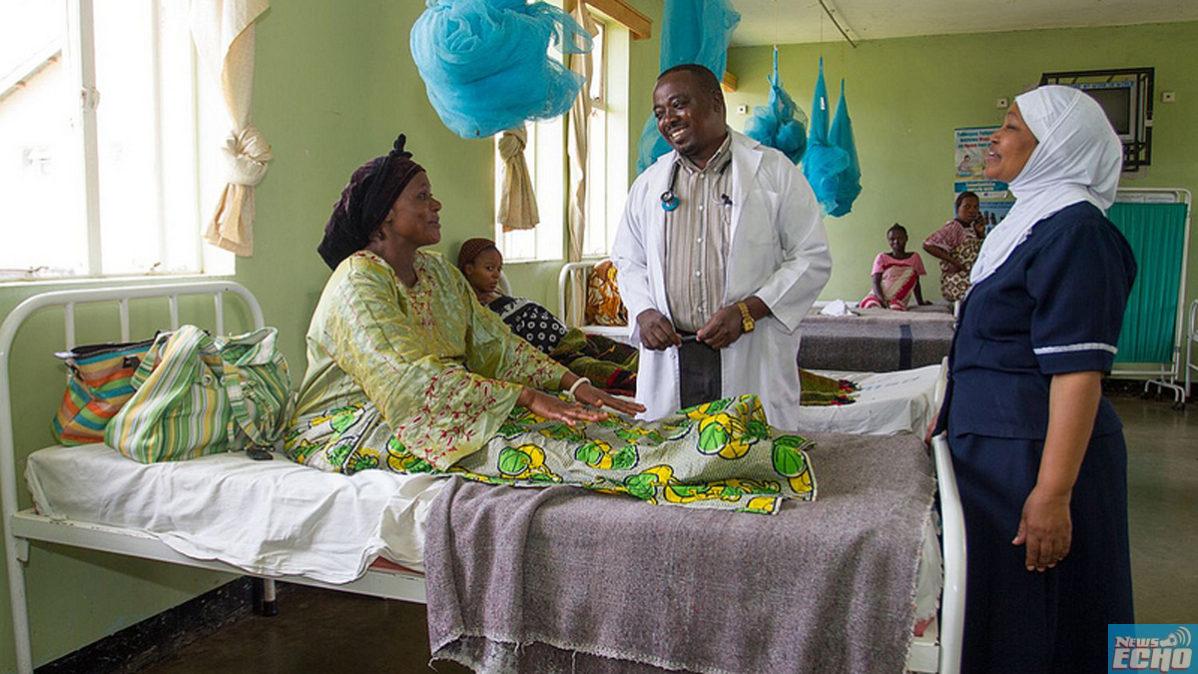

Functional healthcare systems cannot operate in isolation and to deliver the maximum benefit, they need to work effectively as part of a wider ecosystem that includes a well-trained workforce, funding to pay for health services, diagnostics and therapeutics.
Although, Nigeria has made significant progress on health indicators in recent years, especially the onset of COVID-19, which allowed a zoom-in into the Nigeria health sector; thankfully, work is being put in place to right the wrongs. The proposed local production of vaccine facility with five other African countries is a step in righting the wrong.
Moreover, it was reported by health focus in 2022, that Nigeria requires an estimated 82 billion dollars in real estate investment for healthcare; an additional 386,000 hospital beds to reach the global average bed-to-population ratio of 2.7 per 1000 people. In addition, expansion of health insurance penetration, local production of medical consumables among other potential for investment needs to be considered.
Health is indeed wealth as there is an impact of health outcomes on the socio-economic development of any nation. An healthier populace will bring about a more productive workforce among other benefits.
In a bid to foster innovative financing models, bridge healthcare financial gaps and promote both short-term and long-term growth of the sector to have a great impact on the teeming populace.
About 672 million Africans, representing 48 per cent of the continent’s population, still lack access to the quality health care they need, WHO Regional Director for Africa, Matshidiso Moeti, has said.
Ms Moeti, in a statement to commemorate the 2023 World Health Day (WHD), said this is due to weak health systems characterised by inadequate health infrastructure; poorly designed policies to limit financial barriers to health services.
She also identified the shortage of qualified health workers; inadequate access to quality medicines, medical products, and innovative technologies as part of the causes of the health crisis on the continent.
She said the COVID-19 pandemic, health emergencies, and worsening climate situations negatively impact the continent’s efforts to accelerate progress toward achieving Universal Health Coverage (UHC).
Ms Moeti said WHO was founded 75 years ago with an ambitious objective, “the attainment of all peoples of the highest possible level of health.”
She said the agency’s constitution reinforces that objective: “The health of all peoples is fundamental to the attainment of peace and security and is dependent upon the fullest cooperation of individuals and states.”
“Important achievements have been realised towards the aspirations of the leaders who founded WHO. Smallpox, which claimed an estimated 300 million lives in the 20th century alone, has been eradicated. Since 1974, millions of children have received life-saving vaccines and other child survival interventions,” She said.
“In 2020, the WHO Africa Region received certification for eradicating wild polioviruses.
“Scaling up essential health services and coverage with key interventions has yielded results. Between 2011 and 2021, new HIV infections in the WHO African Region were reduced by 44 per cent and AIDS-related deaths by 55 per cent. TB deaths in the region fell by 26 per cent between 2015 and 2021.”
She expressed appreciation to governments, development partners, civil society, academia, the private sector, and communities for their commitment and contribution to achieving our collective effort of health for all.
Also, the Minister of Health, Osagie Ehanire, has said state governments must invest in hiring more health workers if the country is to achieve Universal Health Coverage (UHC) by 2030.
Mr Ehanire, while speaking at a press briefing to commemorate the 2023 World Health Day (WHD) in Abuja on Thursday, said the shortage of health workers is a barrier to the country’s vision of achieving UHC.
He said personnel budgets of health facilities should be spent on maintaining more numbers of frontline healthcare workers to improve quality and effective service delivery.
However, we believe strengthening health systems based on strong Primary Health Care (PHC) is crucial to building back better and accelerating progress towards UHC and health security.
It is also of note that financial investment in PHC oriented by the building blocks of health systems, particularly a health workforce, health infrastructure, medicines, and health technologies, should be supported and guided by evidence.
Therefore, ensuring additional investment to improve financial risk protection, addressing inequities, and building the resilience of national health systems in the post-COVID era is critical to our efforts to accelerate progress towards Universal Health Coverage (UHC) in the African Region.