

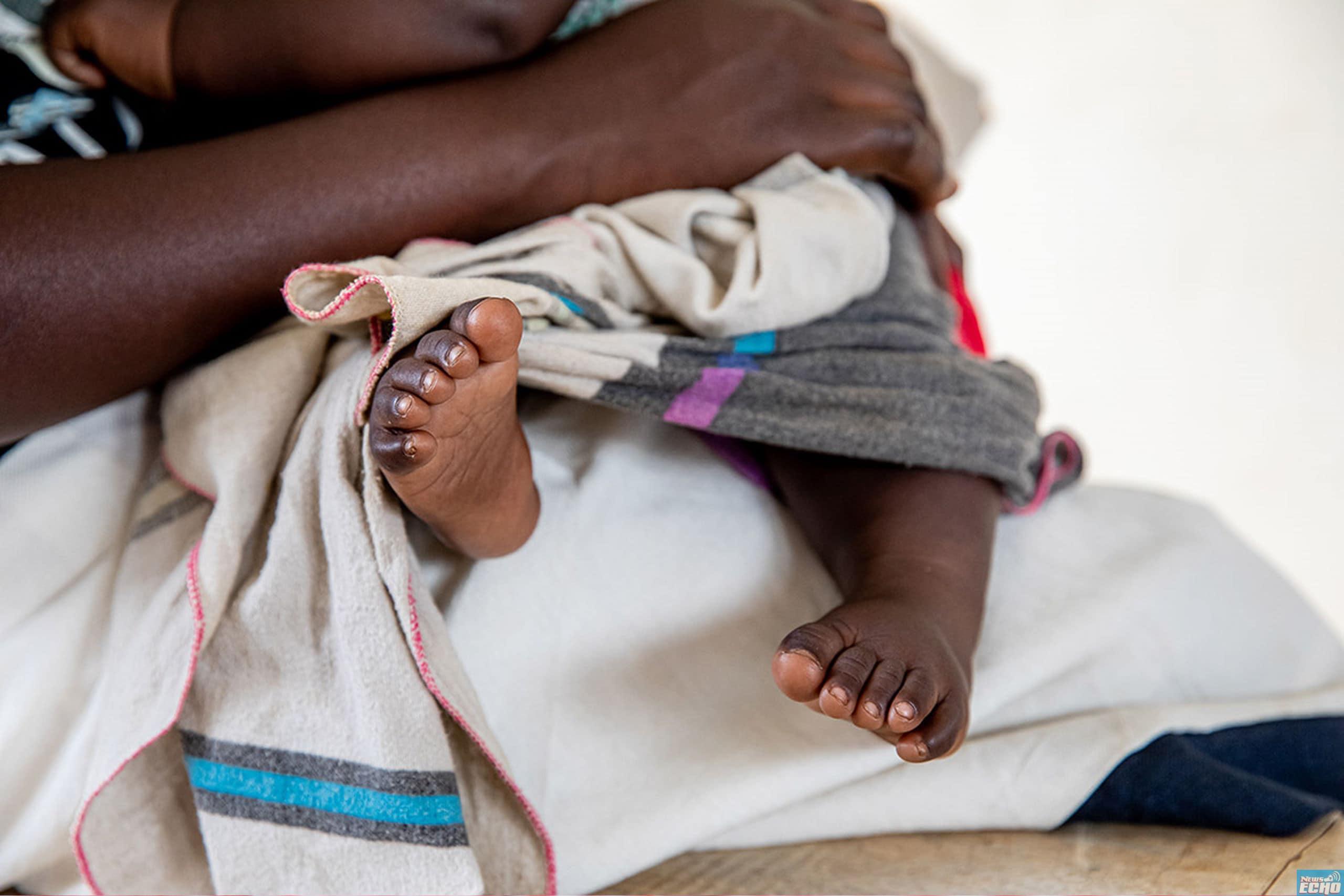

Diarrhoea is a form of gastrointestinal infection caused by a variety of bacterial, viral and parasitic organisms or through contaminated food or drinking water, or from person to person as a result of poor hygienic practices. If Left untreated, diarrhea can typically last several days.
Diarrhoea remains a major cause of mortality among under-age children (mostly under 5years) around the world, especially in developing world. The burden of Diarrheal disease seriously affects young children in developing countries whose incidence rates is high due to inadequate water, poor sanitation and suboptimal breastfeeding, zinc and vitamin A deficiency.
Vulnerable children living in impoverished and undeveloped areas also have higher fatality rates compared to children living in developed countries due to lack of access to quality health care and timely intervention and effective treatment with oral rehydration solution (ORS) and zinc.
Diarrhoea has been described as an increment in the volume, fluidity of stools and increased rate of defecation with slight changes in consistency. The measurement of stool fluid content is an indicator for diagnostic purposes and taking into account the assessment of stool frequency. World Health Organization (WHO) placed criteria for diarrhoea to occur if there is an excretion or passage of watery stools at least two-three times in a 24 hour period, but factors such as stool consistency, stool frequency, and the usefulness of parental discernment in determining whether children have diarrhoea or not is clearly important to pin down if diarrhoea has occurred or not.
Acute diarrhoeal illnesses or dysentery is often easily recognized by appearance of blood in the stool, irrespective of frequency or consistency. A diarrhoeal disorder is often divided into acute, chronic and persistent. The most common of diarrhoea disorders, acute diarrhoea often starts abruptly, are caused by infections and are subdue/resolved within 14 days. Chronic diarrhoea is majorly a product of congenital defects of digestion and absorption in the body system and last for at least 14 days.
Persistent diarrhoea usually arises due to secondary infections in the presence of complications such as malnutrition.
Nigeria’s federal government has at this Year’s National Environmental Sanitation Day (NESD), revealed that more than 3.5 million children suffer from diarrheal diseases, calling for improved hygiene from Nigerians.
Speaking at the occasion, the Permanent Secretary from the Ministry of Health, said: “Poor sanitation has been identified as being responsible for a significant percentage of preventable communicable diseases particularly in developing countries including Nigeria.
A large number of children die every year due to sanitation and hygiene enabled diseases. More than 3.5 million children suffer from diarrheal diseases and this is not a small figure. Children, who are less than five years old, are more prone to such diseases.”
He further said: “This year’s National Environmental Sanitation Day, therefore calls for individuals, communities, governments at all levels, development partners etc. to be involved in the planning and implementation of sanitation and hygiene activity within their immediate environment, community and the nation at large.
Therefore, this year’s theme “Promoting sustainable waste management for a healthy environment: stop open dumping” could not be more apt and timely considering the critical role sanitation and hygiene play in preventing and controlling the spread of infectious diseases such as Choleran and other related diseases.
The theme is also a clarion call for every one of us to work together and leverage on lessons learned from response to COVID-19 to address the neglect of sanitation and hygiene as a major means of preventing and controlling transmission of sanitation and hygiene associated infectious diseases.
It should also be noted that open defecation and open dumping of waste had long been a detrimental practice that not only polluted the environment but also poses serious health hazards to communities.
The consequences of open dumping are far-reaching, It is a problem that demands our intensified attention and concerted efforts to address.
By addressing the issue of open dumping, we contribute to the preservation of our natural resources, reduction of pollution and protection of lives as promoting sustainable waste management was not just a responsibility but also morally imperative.
Globally, UNICEF is supporting 50 countries including Nigeria to implement Community Approaches to Total Sanitation (CATS) such as Community Led Total Sanitation. This is aimed at empowering communities to identify their sanitation challenges and take necessary actions to end open defecation
Likewise, the Nigerian government and several corporate bodies are also collaborating to fight the epidemic.
It is estimated that about 90% of the child diarrheal disease burden is the result of poor sanitation conditions and inadequate personal, household and community hygiene behaviors. Therefore, understanding environmental, behavioral risk factors and their interactions is a prerequisite for devising effective preventive approaches.
Since the 1970s, Oral Rehydration Therapy, pioneered by the International Centre for Diarrhoeal Disease Research, Bangladesh, has been at the forefront for fighting diarrheal diseases and proposing treatment packages.
However, World Health Organisation (WHO), United Nations Children’s Fund ((UNICEF), United Nations Development Programme (UNDP), Water Aid, United Nations Environment Programme (UNEP), Action Against Hunger and other stakeholders in the health sector for supporting the improvement of sanitation and hygiene in the country.
We therefore urge the government and other health stakeholders in the country to support and compliment the activities of these International Agencies whose concern for a healthy living in the developing countries of the world are highly plausible as It is our duty to safeguard the environment for our children and grandchildren, ensuring that they inherit a planet that is conducive to healthy living.