


“The toll of malaria is even more tragic because the disease itself is highly treatable and preventable. Yet this is also our opportunity, because we know that large-scale action can defeat this disease in whole regions.
And the world must take that action. Next week at the G-8, I will urge developed countries and private foundations to join in a broad, aggressive campaign to cut the mortality rate for malaria across African in half.” — President George W. Bush, June 30, 2005
Malaria is a mosquito-borne infectious disease that affects humans, caused by protozoan parasites belonging to the genus Plasmodium. Four species account for almost all human infections but the species P falciparum causes the majority of infections in Africa and is responsible for the most severe forms of the disease, with the highest mortality rate.
When an infected mosquito bites a human therefore, it can introduce the parasite from its saliva into the person’s blood. Many different species of mosquito transmit malaria in this way. Each of the malaria-transmitting mosquito species has different lengths of life-cycle, preferred aquatic habitat, and preferred feeding.
The long lifespan and strong human-biting habit of the African species that carry malaria are the main reasons for the high incidence of malaria in Africa. Despite the fact it is easily preventable and treatable, malaria continues to have a devastating impact on people’s health and livelihoods around the world.
The spread of antimalarial drug resistance has major consequences for malaria control in tropical Africa.
Here, the impact of chloroquine resistance on the burden of malaria is analyzed and its implications for the Roll Back Malaria initiative are examined. Malaria mortality has increased at least twofold during the past two decades.
Combination therapy should be available for home treatment of young children.
The potential toxicity of most antimalarial will require special surveillance programs. The main contribution to malaria control using methods to reduce the entomological inoculation rate is expected in areas with low or unstable transmission. Classic vector-control methods could potentially eliminate malaria in most urban areas and such programs deserve high priority.
The best way to fight malaria is to prevent infection in the first place. WHO recommends that all people living in malaria transmission areas practice protection against malaria; Two common methods are: using insecticide-treated mosquito nets and indoor spraying.
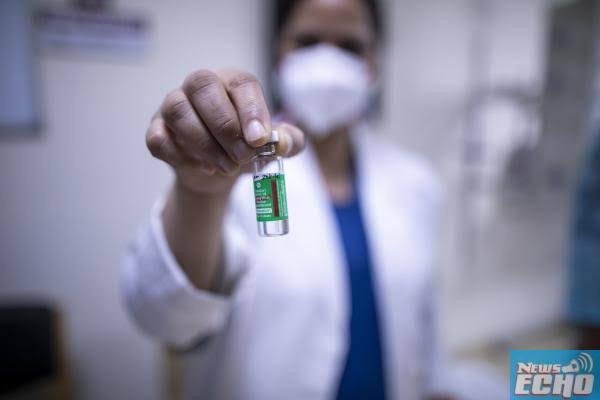
However, the Nigerian government has approved a new malaria vaccine from Oxford University, becoming the second country after Ghana in the world to grant such approval.
The vaccine- R21/Matrix-M, is developed by the University of Oxford and manufactured by the Serum Institute of India.
The Director General of Nigeria’s National Agency for Food and Drug Administration and Control (NAFDAC), Mojisola Adeyeye, announced the development on Monday in Abuja.
Similar to Ghana, Mrs Adeyeye said the vaccine is indicated for the prevention of malaria in children from 5 months to 36 months of age.
She added that Nigeria expects to get at least 100,000 doses of the vaccine in donations soon before the market authorisation will start making other arrangements with the National Primary Health Care Development Agency.
The R21/Matrix-M vaccine is the second ever to be approved by the WHO and the first to exceed the WHO threshold of 75 per cent efficacy over 12 months of follow-up.
The vaccine showed a 77 per cent protective efficacy over 12 months in a phase 2b trial involving young West African children, following an initial three-dose course of injections.
It added that it recommends widespread use of the vaccine, “among children in sub-Saharan Africa and other regions with moderate to high plasmodium falciparum malaria transmission.
Speaking further, Mrs Adeyeye said: “NAFDAC in exercising its mandate as stipulated by its enabling law, NAFDAC Act CapN1, LFN 2004, is granting registration approval for R21 Malaria Vaccine (Recombinant, Adjuvanted) manufactured by Serum Institute of India Pvt. Ltd.
“The Marketing Authorization Holder is Fidson Healthcare Ltd in line with the Agency’s Drug and Related Products Registration Regulation 2021.”
According to her, the R21 malaria vaccine dossier complied substantially with the best international standards with which the dossier was bench-marked.
She said the dossier was subjected to independent reviews by NAFDAC’s Vaccine Advisory Committee according to WHO standards, and other guidelines.
She said the Joint Review Committee concluded that the data on the R21 Malaria vaccine were robust and met the criteria for efficacy, safety, and quality.
News Echo, therefore urge Nigerians especially nursing mothers to take advantage of this special vaccine approval by the Federal Government of Nigeria for malaria prevention as reports have that the threat of malaria is highest in sub-Saharan Africa, and 4 countries in that region accounted for nearly half of all malaria deaths worldwide in 2021: Nigeria (26.6%), the Democratic Republic of the Congo (12.3%), Uganda (5.1%), and Mozambique (4.1%).