


By James Kalu
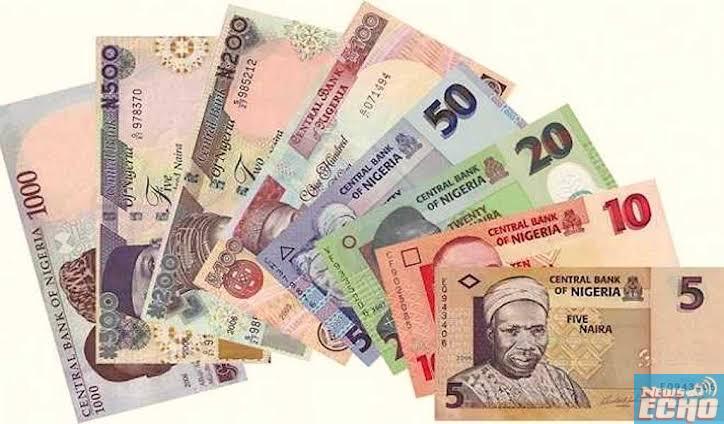
Chai! Our dear Naira is in a big mess! The Nigerian currency, the Naira, has been facing a continuous decline in value against major international currencies, causing concern among citizens and economic experts. This report aims to shed light on the factors contributing to the fall of the Naira and explore potential solutions to stabilize its value.
The Naira’s continuous fall has been a cause for worry among Nigerians. The currency has experienced significant depreciation over the years, leading to increased inflation, rising prices of goods and services, and reduced purchasing power for citizens. This situation has negatively impacted the economy and the standard of living for many Nigerians.
Factors contributing to the fall of the Naira:
Economic Factors: Several economic factors have contributed to the decline of the Naira. These include a heavy dependence on oil exports, which makes the currency vulnerable to fluctuations in global oil prices. Additionally, Nigeria’s high import dependency and limited export diversification have put pressure on the Naira’s value.
Inflationary Pressures: Persistent inflationary pressures have eroded the value of the Naira. Factors such as excessive money supply, government deficits, and inadequate fiscal policies have contributed to rising inflation, further weakening the Naira’s purchasing power.
Weak Monetary Policies: Inconsistent monetary policies and inadequate foreign exchange management have also played a role in the Naira’s decline. The Central Bank of Nigeria’s interventions to stabilize the currency has not yielded sustainable results, leading to market uncertainties and a lack of confidence in the Naira.
Who can save the Naira?
Addressing the continuous fall of the Naira requires collective efforts from various stakeholders, including the government, central bank, and citizens. Here are some potential solutions:
Diversification of the Economy: Reducing dependence on oil exports and promoting diversification into other sectors can help stabilize the Naira. Encouraging investments in agriculture, manufacturing, and technology sectors can boost export earnings and reduce import dependency.
Fiscal Discipline: Implementing sound fiscal policies, reducing government deficits, and promoting transparency and accountability in public spending can help restore confidence in the Naira.
Strengthening Monetary Policies: The Central Bank of Nigeria should adopt consistent and effective monetary policies to manage inflation, stabilize the currency, and maintain a healthy foreign exchange market.
Promoting Export and Import Substitution: Encouraging local production and consumption of goods can reduce the demand for foreign currencies, thereby stabilizing the Naira. Supporting small and medium-sized enterprises and providing incentives for export-oriented industries can boost foreign exchange earnings.
The continuous fall of the Naira is a pressing issue that requires immediate attention and concerted efforts from all stakeholders. By addressing economic factors, implementing sound fiscal and monetary policies, and promoting diversification and export-oriented industries, Nigeria can work towards stabilizing the Naira and improving the overall economic outlook.
It is crucial for the government, central bank, and citizens to collaborate and take proactive measures to save our dear Naira from its current predicament.
The Lokpanta Cattle Market controversy
Silas Olewe
There is an ongoing controversy over the status of the Lokpanta Cattle Market in Umunneochi Local Government Area of Abia State. It is situated along the Enugu – Port Harcourt Expressway, just after Okigwe, inbound Umuahia.
The controversy arose when Governor Alex Otti of Abia State, ordered the demolition of some structures in the market.
These included permanent human habitations, brothels and other buildings which did not conform to the Abia State Government, ABSG’s, plan for the area, which is strictly a cattle market.
In recent years, the Lokpanta Cattle Market, which had been turned into a budding Northern people’s settlement, had become a hotbed of violent crimes.
According to government officials, the market had become a place where ransom payments for the kidnappings which have been happening in that axis were warehoused.
It was also discovered by a government investigative panel that dead bodies, probably those of people who could not pay ransoms, littered the surrounding forests.
Apart from the crimes, the settlement had been renamed a “Ruga”, which is alien to the culture of the indigenes of the state.
The squatters claimed it was given to them by former Governor Orji Uzor Kalu. The settlers had gone beyond the precinct allocated to them for cattle trade and extended at will without government approval or the consent of the land owners.
Senator Kalu, in a recent social media post, made it clear that when he transferred the Umuahia Cattle Market to Lokpanta in 2000, the area was never meant to be a separate town for Northerners but strictly a cattle market.
It was the impunity that later developed, especially during the last eight years, that turned the market into something else which has increasingly become a threat to the people.
The Abia State Government has made it clear that the action it took was not meant to chase Northerners away from Abia. That would definitely be unconstitutional and unacceptable.
Since it was meant to tackle crime, foster the safety of lives and property and restore law and order, we applaud it. The state government should not bow to the antics of political blackmailers who have now capitalised on it to sow the seeds of confusion and ethnic disharmony.
The primary duty of government is to protect the lives and property of every person within its jurisdiction. This includes the lives and property of law abiding non-indigenes and even non-Nigerians.
We commend the state government for its plan to fence the market and shut it down after close of business everyday.
It should also dismantle the dens of kidnappers throughout the area and implement the state’s law on open grazing. The market must be upgraded with modern facilities and kept open for legitimate business transactions.

