

Citizens of Imo State, no doubt, are in dire need of adequate and affordable healthcare services.
Because being free from physical or psychological disease or illness is everybody’s concern. Indeed, good health attracts wealth, promotes wellbeing and welfare of people in any society that values humanity.

Lack of accessibility to quality healthcare as experienced by the people in urban, suburban and rural areas of Imo State has been a big challenge, with the people blaming government for not living up to its duties and responsibilities to the people.
Across Imo State, over ninety percent public hospitals are moribund. This is due to lack of adequate equipment: facilities, medication, staffing and renumeration (motivations). Because of the obsoleteness of public hospitals, rich and influential persons including politicians do not access them- they prefer medical trips overseas. Residents who patronize the public hospitals are the third class citizens who could not afford overseas medical bills.
In a chat with News Echo last week, some concerned citizens of Imo State had demanded complete overhaul of public healthcare centres in the state. They urged government to make the health sector affordable for the less- privileged and the aged to help them meet their health challenges.
An activist, Amb Saviola Ikechukwu Godwyn, had implored government to adequately fund the Primary Healthcare Development Agency in the state in order to enhance quality healthcare services at the rural communities and make them affordable for the people, regretting that healthcare delivery collapsed under the watch of Okorocha and Madumere led rescue mission administration in the state due to poor funding and inadequate staff motivations.
According to Ikechukwu, “public healthcare has since collapsed in Imo State. Public hospitals have become breeding grounds for frustrated healthcare workers. They are patronised by people in failing health who cannot afford to travel overseas for medical examination and treatment as politicians, influential and other affluent citizens do”.
Ikechukwu faulted Okorocha for killing the primary healthcare, special general hospitals in the 27 local government areas of Imo State with the building of 27 gigantic elephant project hospitals of which many are in shambles today. He called on the current administration to look inwards as to overhauling the dead or almost dying hospitals in both urban, suburb and rural areas for the people to easily access quality healthcare. “It is crystal clear that infrastructure especially electricity, hospital are dead in Imo State. Imo indeed was a failed state under Okorocha. We demand for complete revamp of public hospitals”.
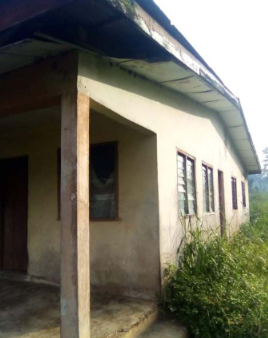
Calling for revamping of Ndianiche Obinetiti healthcare center which is located at Ndiheme, Arondizuogu, Ideato North, a community leader, Uche Ohia, said the hospital is in deplorable state and does not offer any health services. “It is bad that after 8 years of Okorocha’s administration- with 96 months of statutory allocations from the federal government to the state and the local government areas- billions of naira had been wasted on the 27 general hospitals, and into phantom healthcare development programs. The health sector in Imo state, like Ndianiche Obinetiti healthcare, is in total shambles”.
An indigene of Oboama Umuoshie Ezenachigwe community, Aboh Mbaise, Frances Nosike Okereafor Ann, begs “government to fully equip hospitals at the rural areas, pay regular allowances to primary healthcare workers to motivate staff to do well. Residents in the hinterlands are in dire need of quality and affordable healthcare to improve their health. Government should declare state of emergency on healthcare in the state”.
Commenting, a native of Agwa community, in Oguta, Hon. Obioha Okwuonu, stated that the people of the area need steady medication. “We also need functional and accessible healthcare centres (and hospitals) in Agwa villages, just as we need roads, electricity, water.
Government of Imo State should come to our help. People are confused and lack confidence in government because no public institution works. We really need assistance to carve a niche for ourselves. No single public hospital is working effectively in Agwa. Not at all”.
Requesting for the urgent rehabilitation of dying public healthcare centres in Ihitte- Uboma local government area, Kelechi Nwokeogu, a human right activist, asked the state government to rise to meet their health challenges to save the present and future generations from extinction”.
With Solomon Okpo, advising state government to “ensure that the primary healthcare centres in the 27 local government councils of the state are functioning optimally to help provide adequate healthcare to the rural populace. “I think free healthcare should also cover nearsightedness”.
In essence, the citizens have reminded the Imo State government led by Hope Uzodimma of the importance of overhauling the public healthcare centres at the remote communities to enable residents meet their health needs, maintaining that the rural dwellers have the right to access quality medical treatment as provided by government, urging authorities to invest more in the health sector, saying medicare ought to be free for the aged and low income earners, as they implored the present administration to standardise and properly equip the abandoned and uncompleted 27 general hospitals started by Okorocha, as well as employ Imo medical professionals to man them for the good and growth of Imo State.
However, during a chat with media professionals in Owerri, recently, former board chairman of Imo State Primary Healthcare Development Agency, Dr. Perry Njoku, decried poor facilities, staffing, remuneration (motivations) and lack of efficacious medication in hospitals at the rural places, pointing out that the state office of Imo State Primary Healthcare Development Agency has no permanent office, hence operates in a privately rented apartment, urging government to build a permanent office for the agency.
“Government has prime concern to fix moribund healthcare centres at the rural communities in the state, equip them, employ staff and motivate them in kind and in cash to exemplify their services to the people”.

